



Resources for Caregivers
Hands-Only CPR Training
Caregiver Support Program Launches a Hands-Only CPR Training for Caregivers:
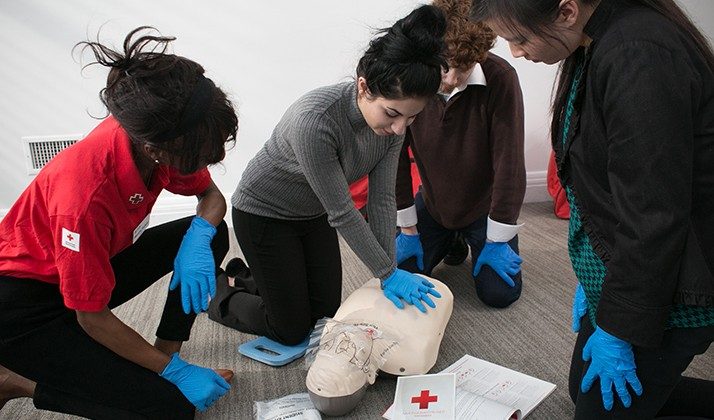 The Department of Veterans Affairs (VA) Caregiver Support Program (CSP) is on a mission to empower caregivers, raising awareness and equipping them with essential life-saving skills in the form of cardiopulmonary resuscitation (CPR). In collaboration with the American Red Cross, CSP created a
  Hands-Only CPR training video. The significance of CPR training cannot be overstated, as the 2023 Heart Disease and Stroke Statistics state that among the over 356,000 out-of-hospital cardiac arrests that occurred, about 75 to 80 percent happened at home..
When someone goes into cardiac arrest, every second counts. Caregivers trained in CPR can:
- Respond quickly and competently to someone in cardiac arrest.
- Administer those first critical breaths and chest compressions that can make all the difference.
- Help increase someone’s chance of survival.
- Take immediate action.
Your journey to acquiring life-saving skills starts here. Contact your local CSP team to explore additional techniques and information.
Why CPR Training Is Important
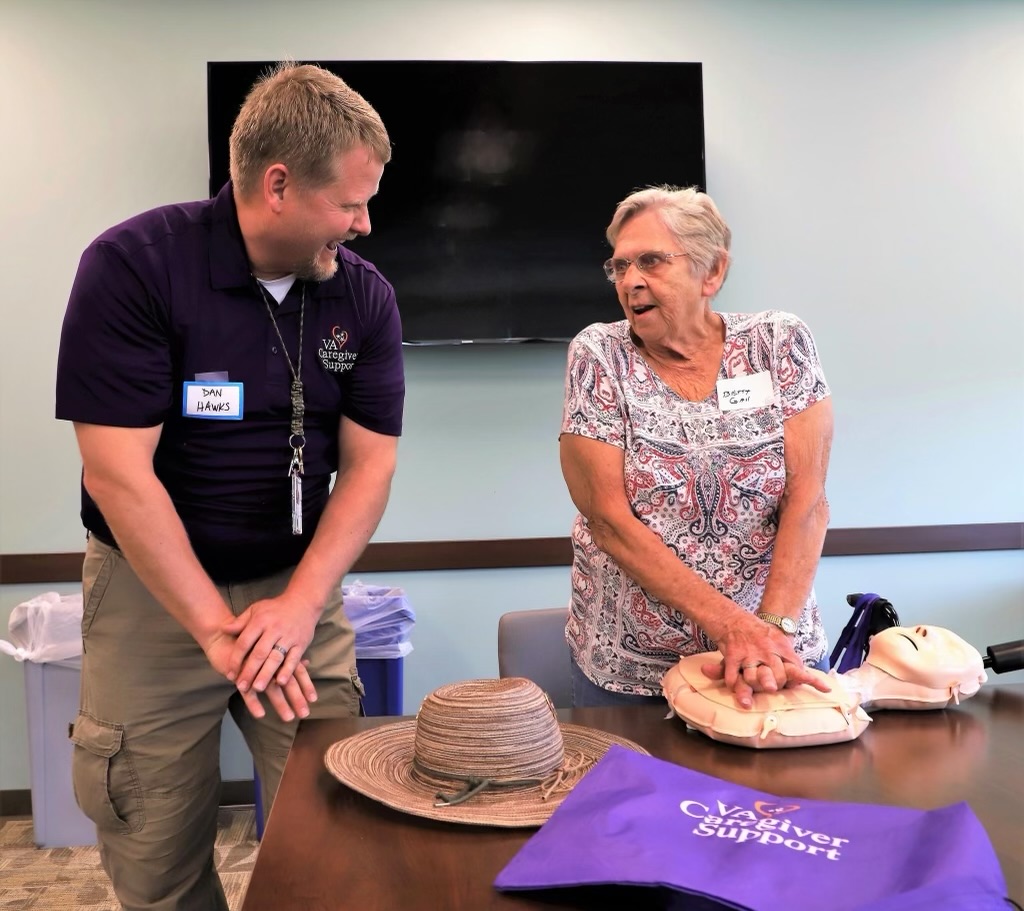 Caregivers trained in CPR can respond quickly and competently, increasing the chance of survival. Learning CPR empowers us to take immediate action when a loved one's life hangs in the balance. Proper training allows caregivers to administer those first critical breaths and chest compressions that can make all the difference.
How to Get Involved
Whether you prefer mastering life-saving CPR techniques through our comprehensive training video or find in-person sessions more effective, we have you covered. Contact your local CSP team to inquire about dates and times for our in-person CPR training sessions. Your journey to acquiring crucial life-saving skills starts here.
Need Help?
 Call VA’s Caregiver Support Line (CSL) at 1-855-260-3274 to learn more about the support that is available to you, and for assistance connecting with the Caregiver Support Team, at your local VA Medical Center.
Your local Caregiver Support Team are licensed professionals who can support you by matching you with services for which you are eligible, and providing you with valuable information about resources that can help you stay smart, strong and organized as you care for the Veteran you love.
Subscribe to receive email updates and information about VA Caregiver Support Program services.
All the links marked with asterisk ( * ) are External links. By clicking on these links, you will leave the Department of Veterans Affairs Website. VA does not endorse and is not responsible for the content of the linked website.

CSP Menu
- Caregiver Support Home
- CSP Two Programs-What’s the Difference?
- PGCSS
- PCAFC
- Review and Appeals
- Find your Caregiver Support Program Team
- Announcements
- VA Caregiver Support Line (CSL)
- CSP Events
- Mental Health for Veterans
- Resources for Caregivers
- Support the Veteran
- Long Term Care & Community Based Care
- En Espanol